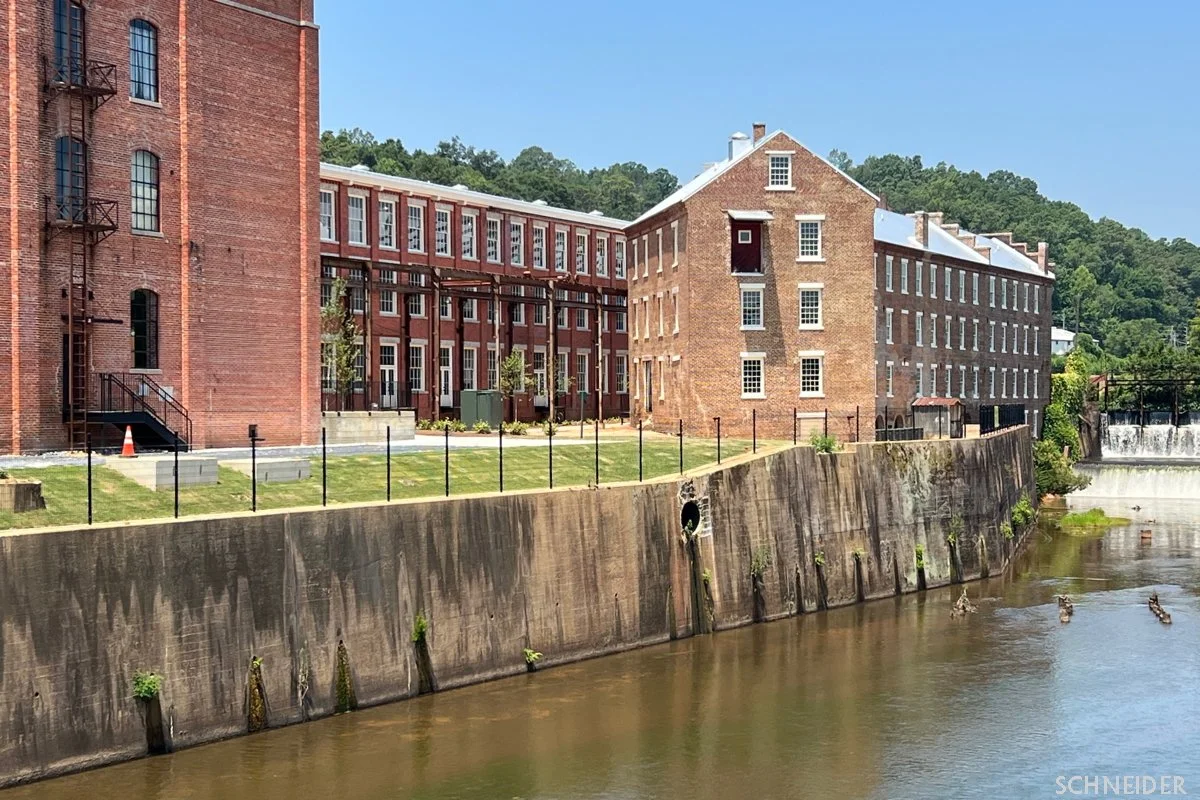
Historic Neighborhoods and Properties
Today, many rural and urban communities are losing historic buildings that represent some of their most important cultural and architectural resources. Over the past several decades, countless historic structures have been demolished for the salvage of timber, brick, and other materials—an activity that may provide short-term economic benefit to a few, but often results in a permanent loss to the broader community. These buildings embody the architectural character, historical identity, and collective memory of the places in which they stand.
Many buildings listed on the National Register of Historic Places are now in deteriorated condition and, in some cases, are approaching the point where rehabilitation becomes increasingly difficult and costly. Vacant and neglected structures can also contribute to blight and disinvestment within a community. Recognizing the importance of preserving these resources, the federal government established the Historic Rehabilitation Tax Credit program to encourage the rehabilitation and adaptive reuse of historic buildings. Numerous states have also adopted complementary state historic tax credit programs, with some specifically providing enhanced incentives for rural communities where redevelopment resources are often more limited.
Historic buildings contribute far more than architectural significance alone. They serve as tangible reminders of a community’s history, development, and identity. Once demolished, these irreplaceable landmarks are lost forever. A comprehensive Community Revitalization Plan provides a strategic roadmap for identifying, protecting, and repurposing these buildings before they disappear.
Across the United States, there are numerous examples of communities that have successfully embraced their historic character through the revitalization of both historic and compatible non-historic buildings. Experience has consistently shown that the rehabilitation of major historic buildings often serves as a catalyst for broader neighborhood reinvestment. As commercial buildings, mills, schools, warehouses, and downtown landmarks are restored and returned to productive use, surrounding residential neighborhoods frequently become more desirable places to live. This renewed interest stimulates the rehabilitation of single-family homes and strengthens overall community stability. In many cities today, historic districts have become among the most sought-after neighborhoods because of the unique character and sense of place created by their historic buildings and streetscapes.
The Diversified team provides comprehensive Community Revitalization Plans designed to identify practical and economically viable opportunities for adaptive reuse and redevelopment. These plans focus on repurposing historic buildings to meet a variety of community needs, including retail development, market-rate and affordable multifamily housing, senior independent living, assisted living facilities, hospitality uses, and mixed-use redevelopment. By combining historic preservation expertise with development planning and incentive-based financing strategies, the Diversified team helps communities transform underutilized historic resources into long-term economic and cultural assets.
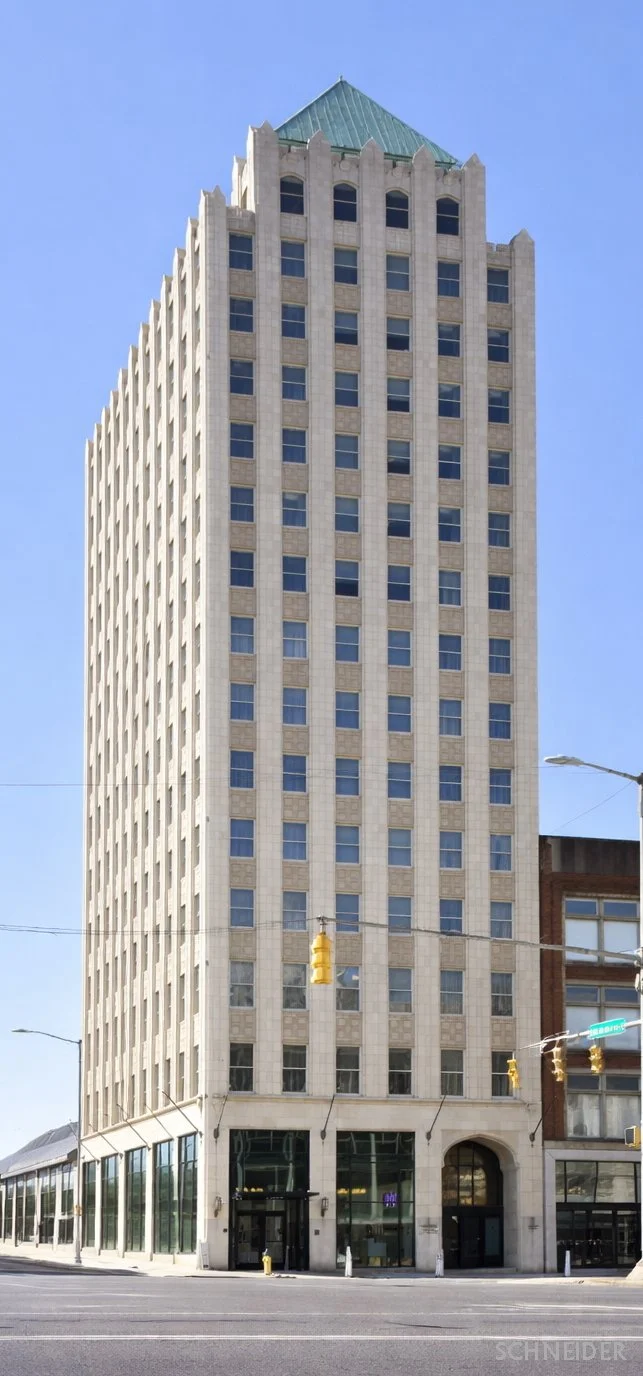
Protective Life Bld.,, Birmingham, Alabama